

Anal Fissure
A small tear in the thin, moist tissue lining the anus, usually caused by constipation and hard stools.
Overview
An anal fissure is a small tear in the thin, moist tissue that lines the anus. Common causes include constipation and straining or passing hard or large stools during a bowel movement. Fissures typically cause pain and bleeding with bowel movements, and you may experience spasms in the anal sphincter.
Anal fissures are very common in young infants but can affect people of any age. Most get better with simple treatments such as increased fibre intake or soaking in a warm-water bath.
Common symptoms
- Pain during bowel movements
- Pain after bowel movements lasting up to several hours
- Bright red blood on the stool or toilet paper
- A visible crack in the skin around the anus
- A small lump or skin tag near the fissure
Prevention & self-care
- Increase dietary fibre gradually and drink more water
- Use warm sitz baths after bowel movements
- Do not delay the urge to pass stool
- Treat chronic constipation constitutionally, not only with laxatives
When to see a doctor
Book a review for a fissure that has not healed in six weeks, recurring tears, or bleeding with weight loss or fever.
Book a consultationRelated conditions
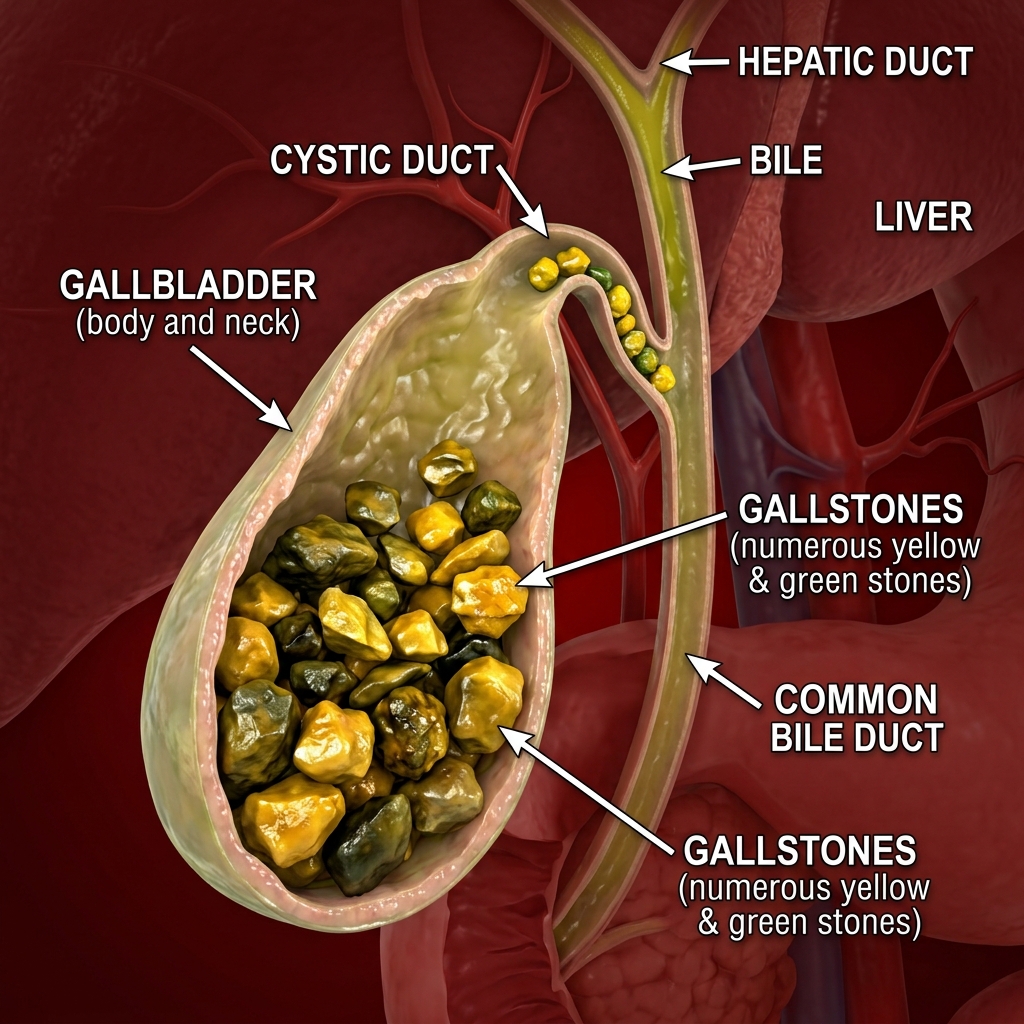
Gall Stone
Hardened deposits of digestive fluid that form in the gallbladder and can trigger sudden biliary colic.

Piles (Hemorrhoids)
Swollen veins in the lower anus and rectum that cause tissue growths, itching, discomfort and bleeding.

Constipation
Passing fewer than three stools a week or having persistent difficulty passing stool.