

Vitiligo
A skin condition where the immune system destroys pigment cells, leaving lighter or white macules and patches.
Overview
Vitiligo is a skin condition that causes your skin to lose its colour or pigment, so the skin appears lighter than your natural tone or turns white. Areas smaller than 1 centimetre are called macules; larger ones are called patches. If vitiligo appears on a hairy area, the hair may turn white or silver.
The condition occurs when the body's immune system destroys melanocytes — the skin cells that produce melanin. Vitiligo affects all races and sexes equally and is more visible in people with darker skin tones. It occurs in over 1% of the population worldwide, and patches usually become apparent before age 30.
Vitiligo usually starts with a few small white macules or patches that may gradually spread. It typically begins on the hands, forearms, feet and face, but can develop anywhere, including mucous membranes, eyes and inner ears.
Causes & triggers
- Autoimmune destruction of melanocytes
- Higher risk with Addison's disease, anemia, type 1 diabetes, lupus, psoriasis, rheumatoid arthritis and thyroid disease
Common symptoms
- White or lighter macules and patches on the skin
- Patches beginning on hands, forearms, feet and face
- White or silver hair in affected areas
- Loss of colour in mucous membranes of mouth or nose
- Patches that widen and spread over time in some people
Prevention & self-care
- Protect depigmented skin with high-factor sunscreen
- Screen for thyroid and autoimmune markers periodically
- Avoid skin trauma, harsh chemicals and bleaching agents
- Photograph patches monthly to track response objectively
When to see a doctor
Book a review when patches spread quickly, appear on the face, or occur with fatigue and weight change suggesting thyroid involvement.
Book a consultationRelated conditions
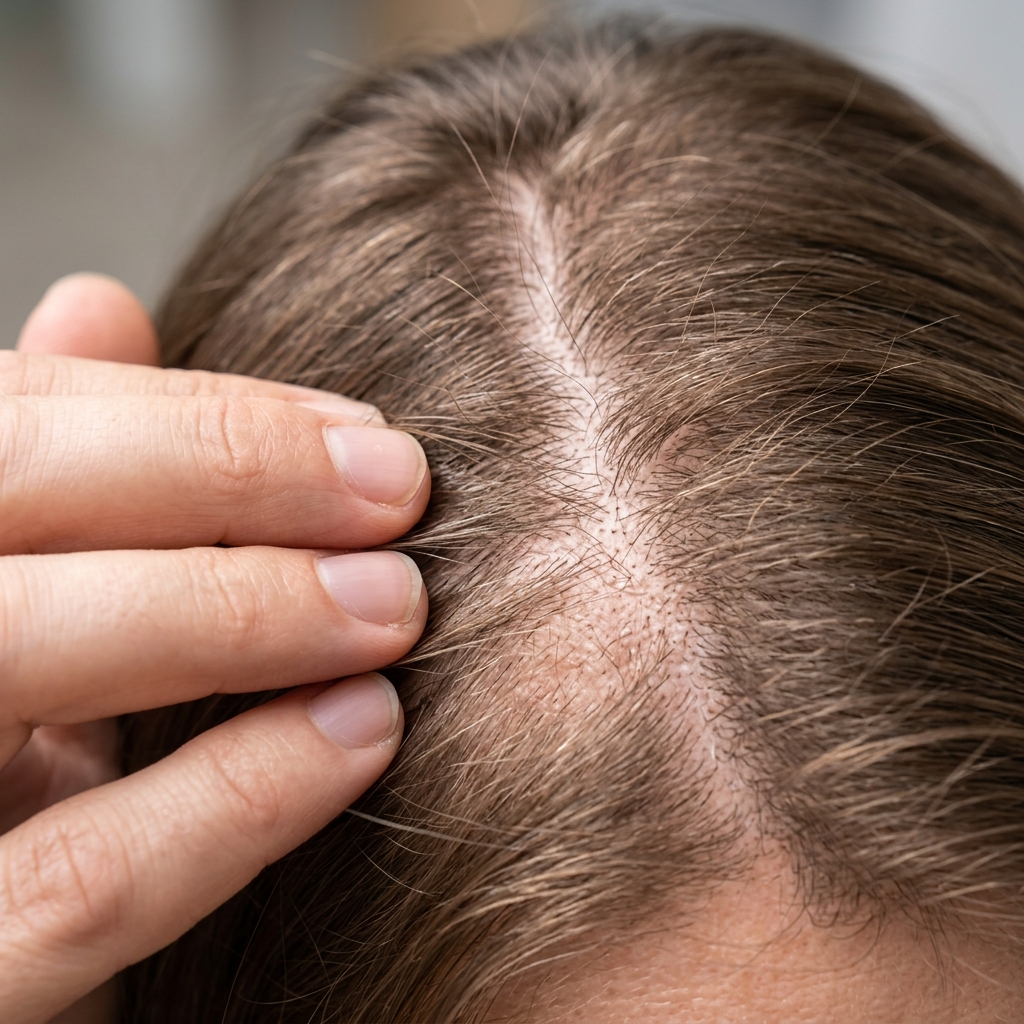
Hair Fall
Hair loss (alopecia) affecting millions, driven by genetics, hormones, nutrition, stress and scalp health.

Psoriasis
A chronic immune-driven disease where skin cells multiply too quickly, forming scaly, inflamed patches.

Eczema (Atopic Dermatitis)
A chronic condition causing dry, itchy and inflamed skin, common in young children but possible at any age.