

Gastric Problems
Excess gas, bloating and cramping in the digestive system, often linked to diet and underlying gut disorders.
Overview
Gas in your digestive system is part of the normal process of digestion, and getting rid of excess gas by burping or passing gas is also normal. Gas pain may occur if gas is trapped or not moving well through your digestive system.
An increase in gas or gas pain often results from eating foods that are more likely to produce gas, and relatively simple changes in eating habits can lessen the problem. Certain digestive disorders — such as irritable bowel syndrome or celiac disease — can also cause increased gas or gas pain.
Common symptoms
- Burping
- Passing gas
- Pain, cramps or a knotted feeling in the abdomen
- A feeling of fullness or pressure in the abdomen (bloating)
- An observable increase in abdominal size (distention)
Prevention & self-care
- Eat slowly and avoid carbonated and fizzy drinks
- Identify and reduce personal trigger foods
- Walk for 10 minutes after heavy meals
- Avoid late, oily dinners close to bedtime
When to see a doctor
See a clinician for gas pain with weight loss, vomiting, blood in the stool, chest pain, or a persistent change in bowel habit.
Book a consultationRelated conditions
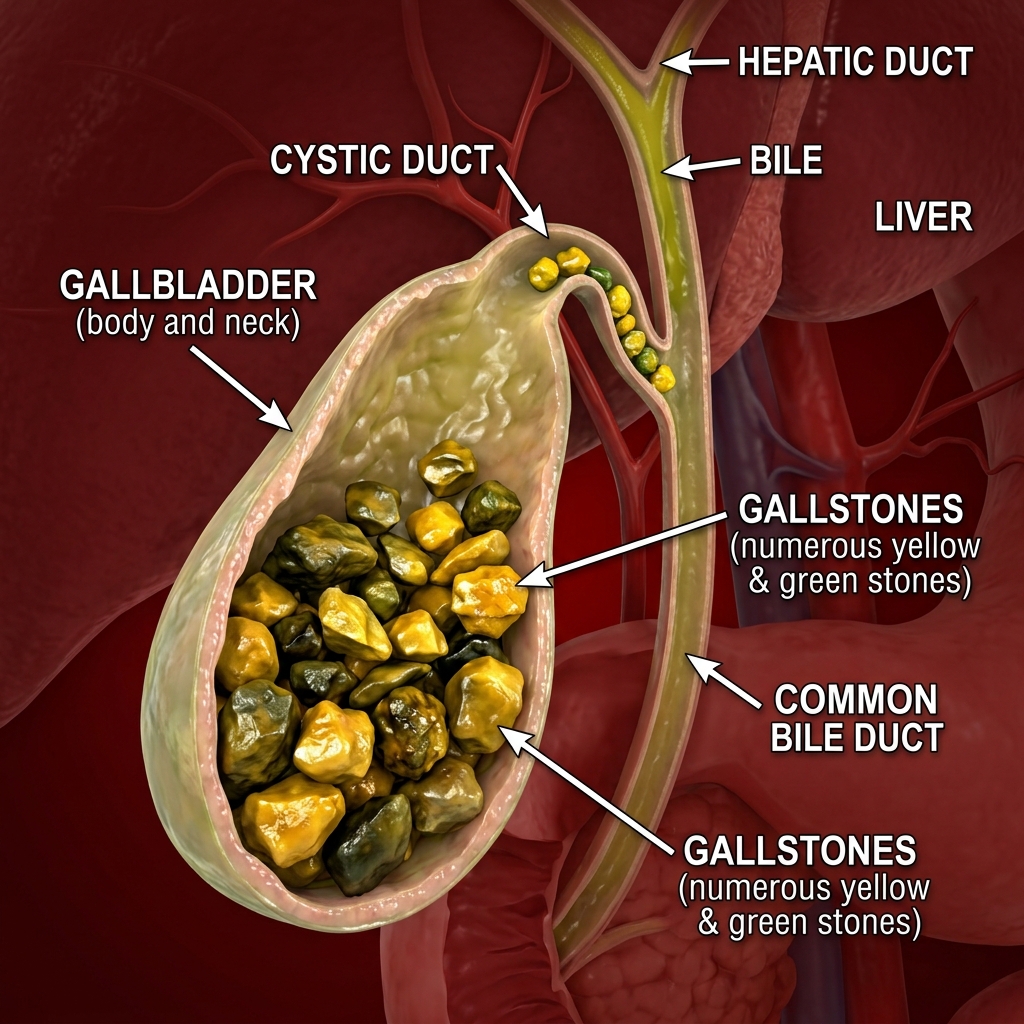
Gall Stone
Hardened deposits of digestive fluid that form in the gallbladder and can trigger sudden biliary colic.

Piles (Hemorrhoids)
Swollen veins in the lower anus and rectum that cause tissue growths, itching, discomfort and bleeding.
Anal Fissure
A small tear in the thin, moist tissue lining the anus, usually caused by constipation and hard stools.