

IBS (Irritable Bowel Syndrome)
A functional gut disorder where diet, stress and gut sensitivity drive recurring pain, bloating and irregular bowels.
Overview
Treatment of IBS focuses on relieving symptoms so that you can live as symptom-free as possible. Mild symptoms can often be controlled by managing stress and by making changes in diet and lifestyle: avoiding trigger foods, eating high-fibre foods, drinking plenty of fluids, exercising regularly and getting enough sleep.
Your provider may suggest eliminating high-gas foods, gluten, or FODMAPs — fermentable oligosaccharides, disaccharides, monosaccharides and polyols found in certain grains, vegetables, fruits and dairy products. A dietitian can help with these changes.
If problems are moderate or severe, counselling can help, especially where depression or stress worsens symptoms. At Yours Clinic, constitutional prescribing runs alongside this dietary and stress work rather than replacing it.
Common symptoms
- Recurring abdominal pain or cramping, often relieved after passing stool
- Bloating and visible distention
- Diarrhoea, constipation, or alternating between the two
- Mucus in the stool
- Urgency and a feeling of incomplete evacuation
Prevention & self-care
- Keep a food and symptom diary to identify triggers
- Trial a low-FODMAP approach with dietitian support
- Protect sleep and build a daily stress-release habit
- Eat at regular times rather than skipping meals
When to see a doctor
Book a review for rectal bleeding, night-time symptoms that wake you, unexplained weight loss, or a family history of bowel disease.
Book a consultationRelated conditions
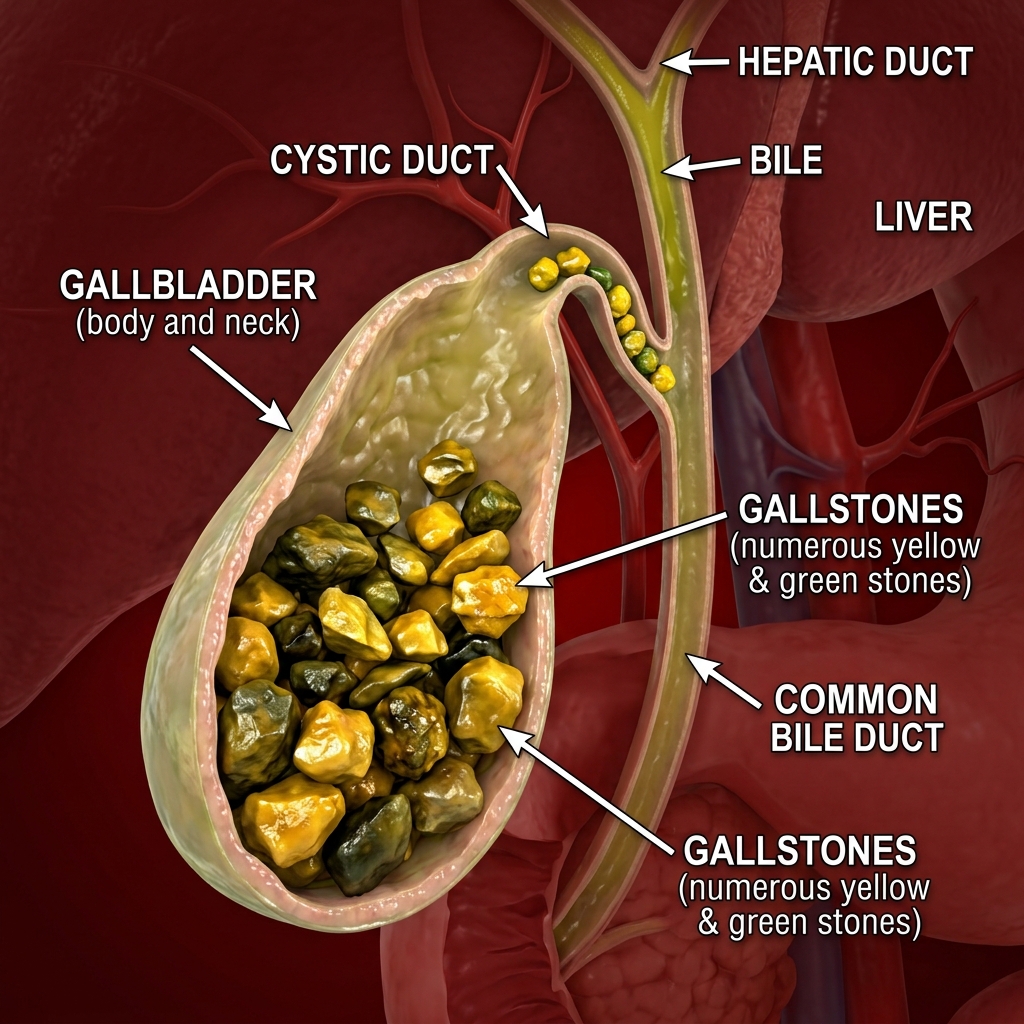
Gall Stone
Hardened deposits of digestive fluid that form in the gallbladder and can trigger sudden biliary colic.

Piles (Hemorrhoids)
Swollen veins in the lower anus and rectum that cause tissue growths, itching, discomfort and bleeding.

Anal Fissure
A small tear in the thin, moist tissue lining the anus, usually caused by constipation and hard stools.